The Ultimate Guide to Bookkeeping for Small Businesses


Introduction to Bookkeeping
Bookkeeping is an essential part of running a small business, ensuring that all financial transactions are recorded accurately and systematically. It helps business owners understand their financial health and make informed decisions. In this guide, we'll explore the fundamentals of bookkeeping and how it can benefit your business.

Understanding the Basics
Key Components of Bookkeeping
Bookkeeping involves several key components, including recording transactions, managing invoices, and reconciling bank statements. Each of these elements plays a crucial role in maintaining accurate financial records. Let's take a closer look at each one:
- Recording Transactions: This involves tracking every financial transaction, whether it's a sale, purchase, or expense.
- Managing Invoices: Keeping track of invoices ensures that you receive payments on time and maintain good cash flow.
- Reconciling Bank Statements: Regular reconciliation helps identify discrepancies and maintain accurate records.
Single-Entry vs. Double-Entry Bookkeeping
There are two primary bookkeeping methods: single-entry and double-entry. Single-entry bookkeeping is simpler, recording transactions once. It's suitable for smaller businesses with straightforward finances. Double-entry bookkeeping, on the other hand, records transactions in two accounts, offering a more comprehensive view of your financial health.

Setting Up Your Bookkeeping System
Choosing the Right Software
Selecting the right bookkeeping software is crucial for streamlining your financial processes. Many options are available, from simple spreadsheets to advanced accounting software. Consider factors like cost, ease of use, and features when making your choice.
Organizing Financial Documents
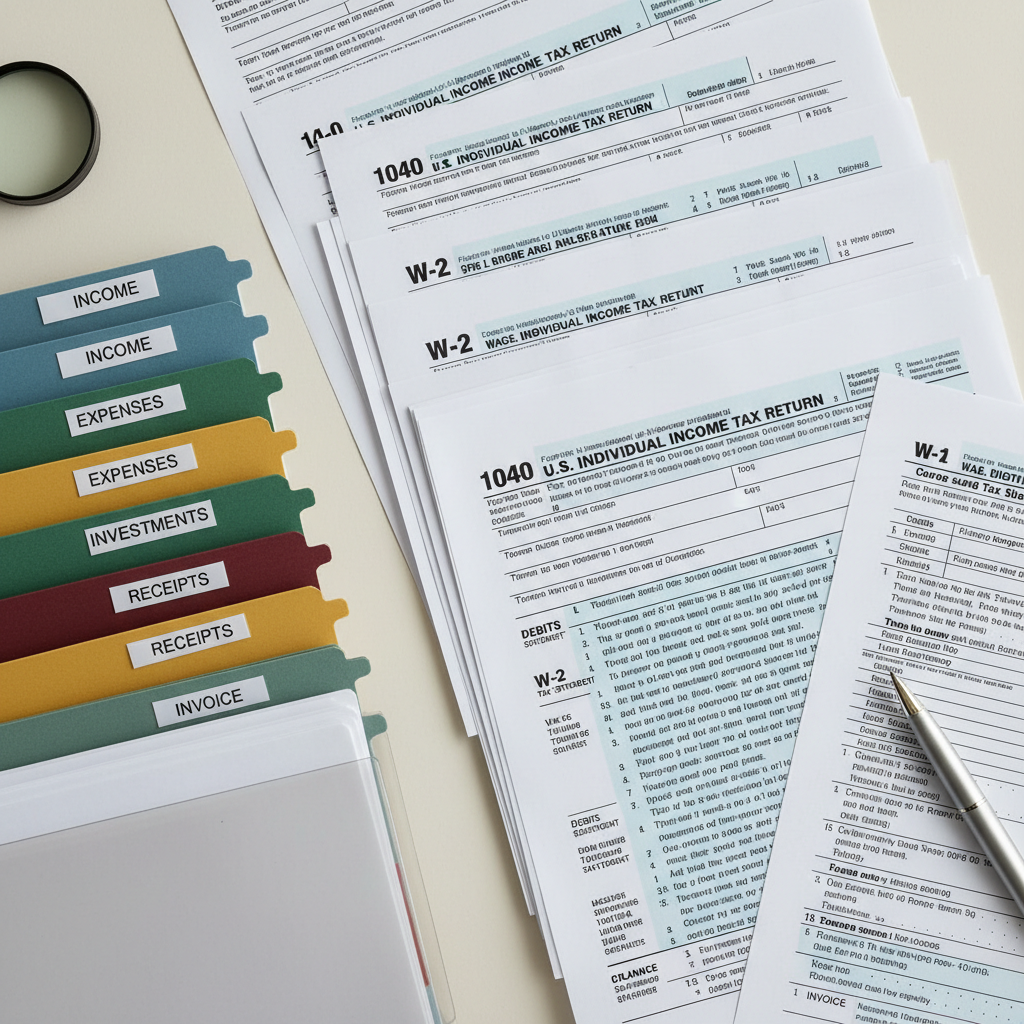
Proper organization of financial documents is vital for efficient bookkeeping. Keep receipts, invoices, and bank statements organized and easily accessible. This organization will save time and reduce stress during tax season or audits.
Maintaining Accurate Records
Regular Updates and Audits
To ensure accuracy, update your records regularly and conduct audits periodically. Regular updates help identify errors early, while audits provide a comprehensive review of your financial status.
Common Mistakes to Avoid
Common bookkeeping mistakes include neglecting to record transactions, mixing personal and business expenses, and failing to back up data. Avoid these pitfalls to maintain accurate and reliable financial records.

Conclusion: The Benefits of Effective Bookkeeping
Effective bookkeeping provides a clear picture of your financial health, aids in strategic planning, and ensures compliance with tax regulations. By investing time and resources into proper bookkeeping practices, you can set your small business up for long-term success.