Embracing Cloud-Based Accounting Solutions for Small Businesses


Introduction to Cloud-Based Accounting
In today’s rapidly evolving digital landscape, small businesses are increasingly turning to cloud-based accounting solutions. These platforms offer a multitude of benefits that traditional accounting systems simply cannot match. By embracing the cloud, businesses can streamline their financial operations, improve accuracy, and gain real-time insights into their financial health.

Benefits of Cloud-Based Accounting
One of the primary advantages of cloud-based accounting is the ability to access financial data anytime, anywhere. This flexibility allows business owners and accountants to work remotely, ensuring that financial tasks can be completed without being tied to a specific location. Additionally, cloud solutions often come with automatic updates, ensuring that businesses always have access to the latest features and security enhancements.
Cost-effectiveness is another compelling reason to switch to the cloud. Traditional accounting software often requires significant upfront investment in licenses and hardware. In contrast, cloud-based solutions typically operate on a subscription model, reducing initial costs and allowing small businesses to pay only for what they need.
Enhancing Collaboration and Efficiency
Cloud-based accounting platforms also foster better collaboration among team members. With centralized data storage and real-time updates, multiple users can access and work on financial data simultaneously, improving overall efficiency and reducing the risk of errors. This collaborative approach ensures that everyone is on the same page, which is crucial for accurate and timely decision-making.

Data Security and Backup
Security is a common concern when it comes to cloud computing, especially for small businesses. However, reputable cloud-based accounting providers employ advanced security measures, including encryption and multi-factor authentication, to protect sensitive financial data. Additionally, these solutions offer regular data backups, ensuring that businesses can quickly recover information in the event of a system failure or cyberattack.
By using cloud-based accounting, small businesses can significantly reduce the risk of data loss and unauthorized access, providing peace of mind and allowing business owners to focus on growth and development.
Real-Time Financial Insights
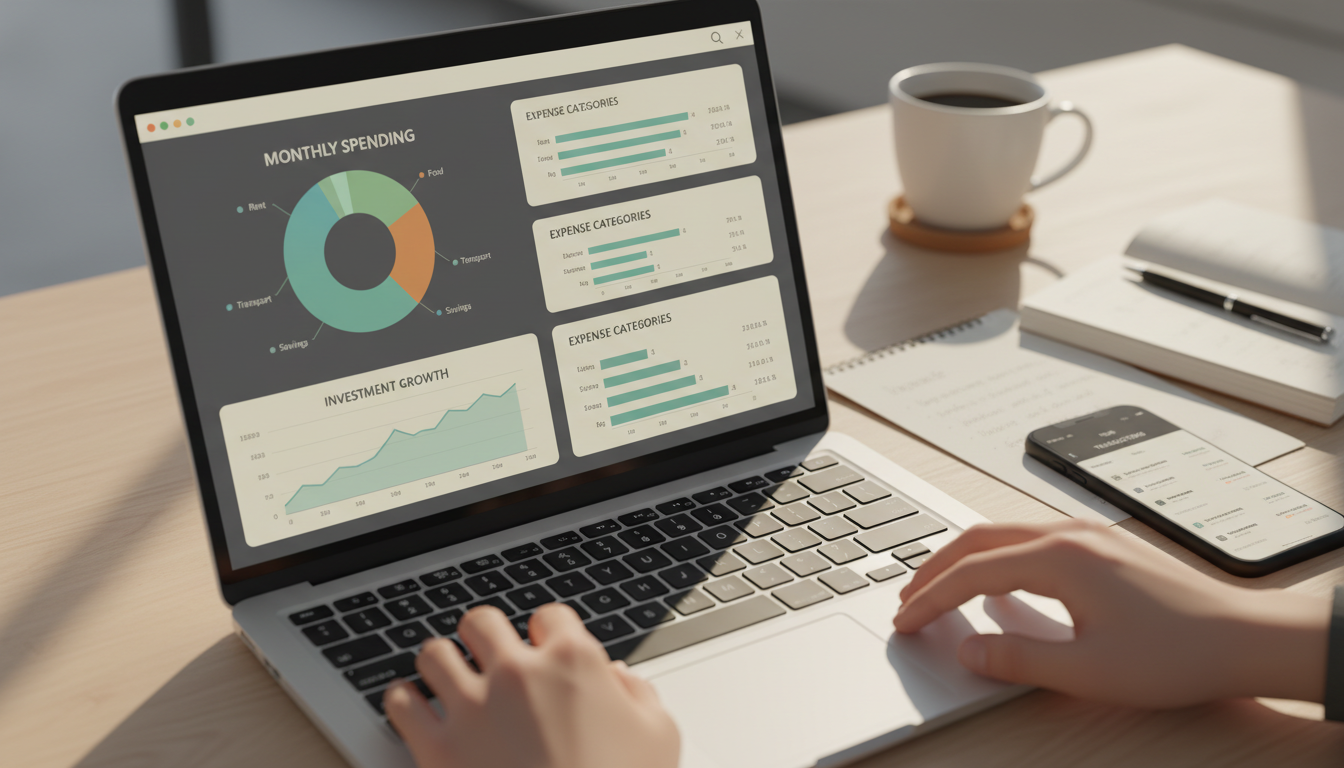
Access to real-time financial data is crucial for making informed business decisions. Cloud-based accounting solutions offer dashboards and reports that provide instant insights into key financial metrics. This real-time visibility enables small business owners to track cash flow, monitor expenses, and forecast future financial performance with greater accuracy.
Scalability and Integration
As small businesses grow, their accounting needs become more complex. Cloud-based solutions are inherently scalable, allowing businesses to easily add new features and users as needed. Moreover, these platforms often integrate seamlessly with other business tools, such as CRM systems and payment processors, creating a comprehensive ecosystem that supports various business functions.
The ability to scale and integrate with other tools ensures that cloud-based accounting solutions can evolve alongside the business, providing long-term value and efficiency.
Conclusion
Embracing cloud-based accounting solutions offers numerous advantages for small businesses, from cost savings and enhanced collaboration to improved security and real-time insights. By making the switch, businesses can streamline their financial operations and focus on what truly matters—growth and success. As the digital landscape continues to evolve, adopting cloud technology is not just an option; it’s a strategic imperative for staying competitive.