Choosing an Accountant: Key Questions Every Business Should Ask


Understanding Your Business Needs
Choosing the right accountant is crucial for any business, whether you're a startup or an established company. The first step is to understand your specific needs. Do you require someone who specializes in tax planning, auditing, or financial reporting? Clearly defining your needs will help you narrow down your options.

Consider the size of your business and the complexity of your financial situation. A small business might only need basic bookkeeping, while a larger company may require more comprehensive services. Understanding these requirements will guide your search and help you find an accountant who can meet your expectations.
Experience and Expertise
Experience is a key factor when choosing an accountant. Ask potential candidates about their experience with businesses similar to yours. Industry-specific knowledge can make a significant difference in the quality of service provided.
It's also important to check their qualifications and certifications. Ensure they are licensed and accredited by relevant professional bodies. This not only assures you of their expertise but also their commitment to maintaining high professional standards.

Communication Skills
An accountant should be more than just a numbers person; they need to communicate effectively. Assess their ability to explain complex financial concepts in a way that you understand. This is essential for making informed business decisions.
Inquire about their preferred methods of communication. Whether it's face-to-face meetings, phone calls, or emails, ensure their style matches your preferences. Regular and clear communication will help build a strong working relationship.
Technology and Tools
In today's digital age, your accountant should be adept with the latest accounting software and tools. This not only improves efficiency but also ensures accuracy in financial reporting. Ask about the tools they use and how they can integrate them with your existing systems.
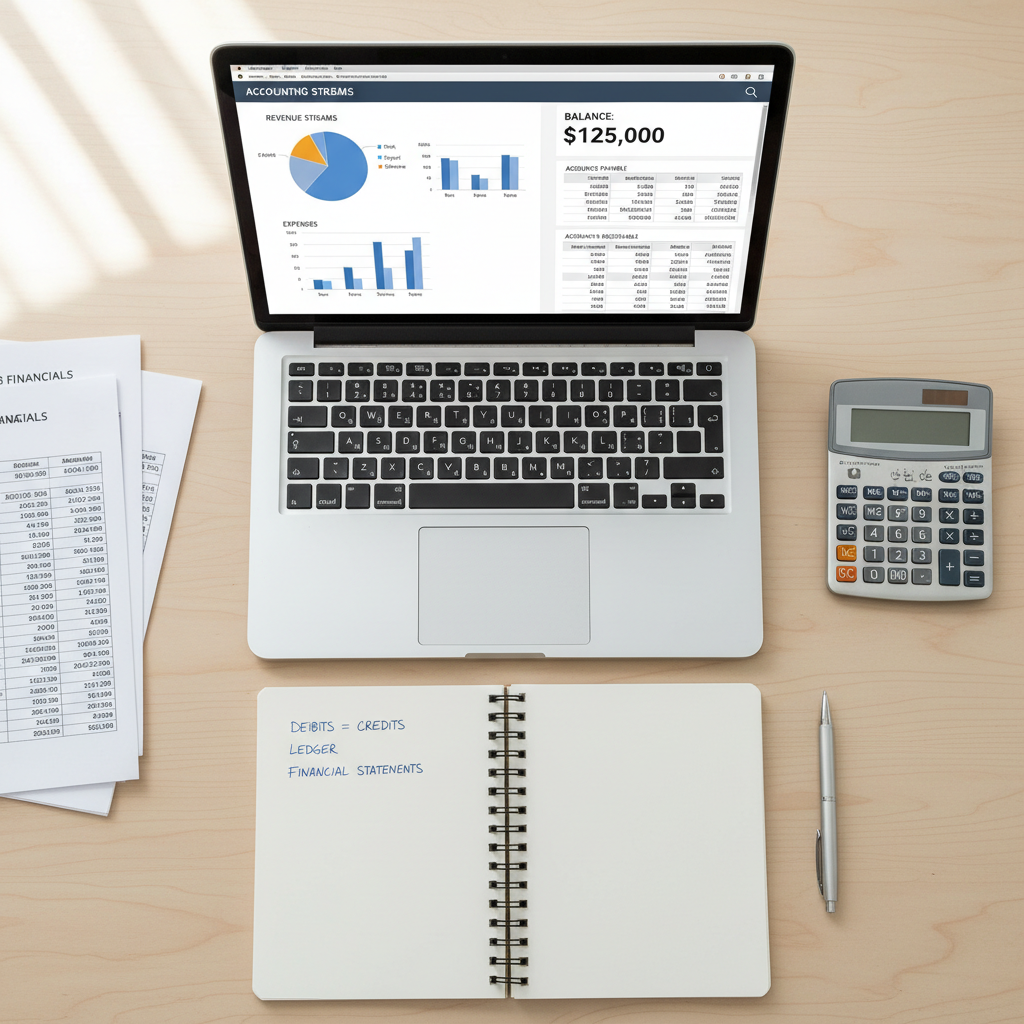
Consider whether they offer cloud-based services, which can provide you with real-time access to your financial information. This flexibility can be a valuable asset in managing your business finances effectively.
Cost and Value
While cost is an important consideration, it's essential to focus on the value an accountant can bring to your business. Request a detailed breakdown of their fees to understand what services are included. Be wary of any hidden charges that may arise.
Consider whether they offer flexible pricing models, such as hourly rates or fixed fees, depending on the services provided. The right accountant should provide a return on investment through improved financial management and strategic advice.
References and Reviews
Before making your final decision, ask for references from past or current clients. This will give you insight into their reliability and quality of service. Online reviews can also provide valuable feedback from other business owners.

Pay attention to any recurring themes in the feedback, both positive and negative. This will help you weigh the pros and cons of working with a particular accountant and make an informed choice that aligns with your business needs.